


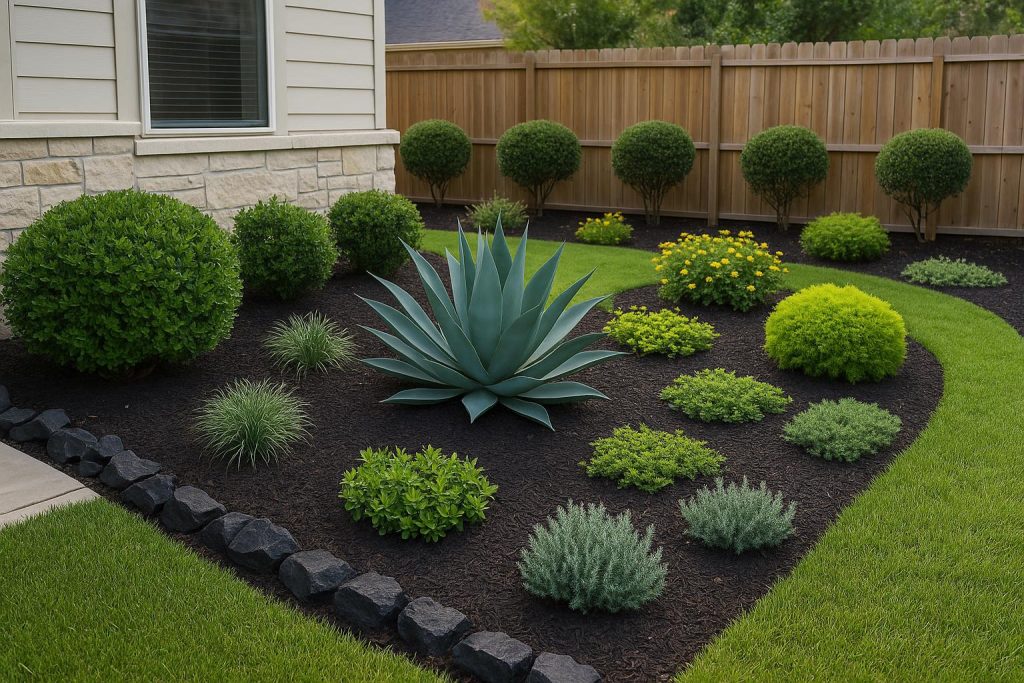
In the bustling rhythm of modern life, finding time for gardening can be a challenge for many homeowners. The allure of a lush, vibrant garden is often dampened by the time and effort required for its upkeep. However, low maintenance gardening offers a solution, blending the beauty of green spaces with the practicality of a busy lifestyle. This article provides insightful tips and tricks for cultivating a garden that thrives with minimal intervention. From choosing the right plants to embracing smart gardening technologies, we will explore how even the busiest homeowners can enjoy the serenity of a well-kept garden.
For homeowners planning a broader exterior refresh, it is also worth thinking about how surfaces, boundaries and entrances work together. Durable materials, clear access points and carefully chosen finishes can improve kerb appeal while keeping maintenance manageable over the long term.
Understanding Low Maintenance Plants
The cornerstone of a low-maintenance garden lies in selecting the right plants. Opt for species that are native to your region, as they are adapted to the local climate and soil conditions, requiring less water and care. Consider perennials like lavender, sedum, or ornamental grasses that offer long-lasting beauty with minimal upkeep. Succulents and cacti are also excellent choices for dry climates, thriving with little water.
Additionally, look for disease-resistant varieties of your favourite plants. These selections are bred to fend off common pests and diseases, significantly reducing the need for chemical treatments. Ground cover plants like creeping thyme or vinca can provide a lush look while suppressing weeds and reducing soil erosion.
Incorporate evergreen shrubs for year round interest without the hassle of seasonal planting. Plants like boxwood or holly demand little beyond occasional pruning. Also, utilise bulbs that naturalise, like daffodils or tulips, which multiply and return each year with little effort.
By selecting plants that are well-suited to your garden’s conditions and climate, you can create a space that is both beautiful and low maintenance, giving you more time to enjoy the tranquillity of your garden without the constant upkeep.
Smart Gardening Techniques
Efficient gardening strategies can significantly reduce the time and effort required for garden upkeep. One key approach is effective watering. Installing a drip irrigation system or using soaker hoses can ensure deep watering directly to the roots, minimising water wastage and the need for frequent watering. This method is especially beneficial during dry spells.
Mulching is another smart technique. Applying a layer of organic mulch around your plants can help retain soil moisture, suppress weeds, and gradually improve soil quality as it decomposes. Choose materials like bark chips, straw, or leaf mould for an eco-friendly option that nourishes the soil.
Soil health is paramount in a low-maintenance garden. Enrich your soil with organic compost to boost its fertility. Healthy soil supports robust plant growth, reducing the need for chemical fertilisers. Periodically test your soil to understand its needs and amend it accordingly.
Practise strategic planting by grouping plants with similar water and sunlight needs together. This approach simplifies care and can help prevent over or under-watering.
Lastly, incorporate perennial beds and larger shrubs, which, once established, require minimal care compared to annuals or small plants that need regular replacement or intensive care.
By adopting these smart gardening techniques, you can significantly reduce the time and effort needed to maintain a beautiful garden.
Leveraging Composite Fencing
Incorporating composite fencing is a smart strategy for the low-maintenance garden. Made from a blend of wood fibres and plastic, composite fencing is durable, resistant to rot and pests, and requires minimal upkeep compared to traditional wood or metal fencing which requires regular maintenance and painting. Its longevity makes it an eco-friendly and cost-effective choice in the long run.
The water-resistant nature of composite fencing ensures it withstands harsh weather conditions without the need for regular painting or sealing. This quality makes it ideal for use near garden beds or irrigation systems, offering a hassle-free solution to maintaining garden boundaries while enhancing the overall appearance of your outdoor space.
Automating Garden Care
Embracing technology can significantly streamline garden maintenance. One of the most impactful tools is an automatic sprinkler system. These systems can be programmed to water your garden at specific times and intervals, ensuring that your plants receive the right amount of water even when you are busy or away. Sensors can be added to monitor soil moisture and adjust watering, accordingly, preventing overwatering and water waste.
Another technological aid is the use of smart garden monitors. These devices can track sunlight, temperature, soil conditions, and moisture levels, providing real-time data that can be accessed via smartphone apps. This information helps in making informed decisions about watering, fertilising, and plant care.
By integrating these technologies into your garden, you can enjoy a beautiful outdoor space with minimal manual intervention, making gardening a pleasure rather than a chore.
Seasonal Care Tips
Effective seasonal care is key in maintaining a low-maintenance garden throughout the year. In spring, focus on mulching and early weeding to prevent weed growth. This is also the ideal time to prune shrubs and deadhead early bloomers to encourage new growth.
Summer demands more attention to watering. Adjust your irrigation systems as needed, especially during heatwaves. Potted plants may require more frequent watering. Deadheading spent flowers keeps plants looking neat and encourages more blooms.
Autumn is the time for preparing your garden for the colder months. Plant spring bulbs and consider adding winter-hardy plants for seasonal interest. Clearing fallen leaves and debris will keep your garden tidy and prevent pest issues.
Winter is generally a low-maintenance period. Protect sensitive plants from frost and check on the structure of your garden, such as fences and trellises. This season is also ideal for planning any changes or additions you’d like to make for the coming year.
With these seasonal care tips, you can efficiently manage your garden’s needs throughout the year, keeping it flourishing with minimal effort.
Conclusion
Low maintenance gardening is an achievable and rewarding endeavour for busy homeowners. By selecting the right plants, employing smart gardening techniques, utilising durable materials like composite fencing, embracing automation, and following seasonal care tips, you can create a beautiful, thriving garden that fits seamlessly into your busy lifestyle. Maximum enjoyment – minimum effort!
For commercial gardens, hospitality venues and larger outdoor projects, the finishing details can be just as important as the main structure. composite decking can provide a durable, low-maintenance surface for seating areas, paths, terraces and outdoor entertaining zones; while traditional signage can add character to entrances, garden rooms or hospitality spaces; while digital signage can help commercial venues share opening times, menus, promotions or visitor information clearly; while efficient hand dryers can support cleaner, lower-maintenance washroom facilities in public-facing outdoor settings.

