MRI technology is among the most widely used and diagnostically versatile tools in modern medicine. Damon Deteso, M.D., is a diagnostic radiologist who has practiced with Millennium Medical Imaging in Saratoga Springs, New York, since 2004, with expertise in MRI, CT, ultrasound, X-ray, and nuclear medicine. He holds staff positions at five local hospitals and spent three years as a medical advisor with Imagen Technologies. Damon Deteso is also a regular participant in professional organizations including the American Society of Head & Neck Radiology. His depth of experience with magnetic resonance imaging positions him to explain clearly how doctors use MRI scans to diagnose, monitor, and guide treatment across a wide range of medical conditions.
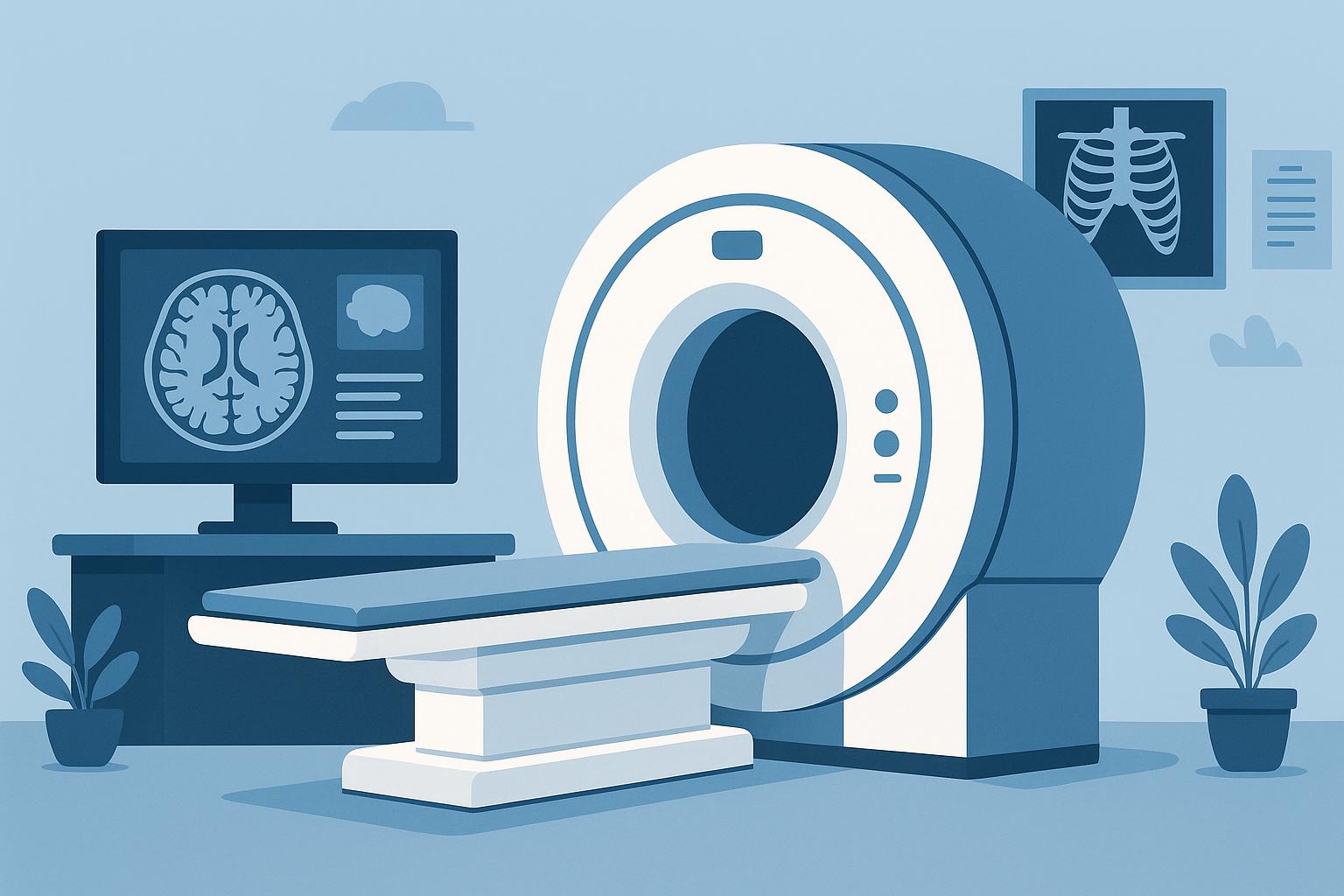
Magnetic resonance imaging (MRI) is a form of medical imaging that combines computer-generated radio waves with a magnetic field to produce detailed images of the inside of the human body, including organs and tissues. The machines that create MRI scans are usually very large. They require a person to lie inside a tube lined with specially designed magnets.
These magnets generate the magnetic field that interacts with radio waves and hydrogen atoms in the human body to produce a series of cross-sectional images. Some MRI machines can create three-dimensional images that medical professionals can view from multiple angles.
MRI imaging is an exceptionally common, non-invasive medical process. In the United States alone, medical professionals perform roughly 40 million MRI scans each year, according to a study published by the National Library of Medicine’s National Center for Biotechnology Information. Because of the technology’s ability to provide detailed recreations of a person’s organs, tissues, and skeletal system, doctors may request an MRI to diagnose or evaluate a wide range of medical conditions.
For example, doctors can use MRI scans to explore issues affecting the brain and spinal cord. MRI technology is especially helpful when it comes to diagnosing conditions such as aneurysms of cerebral vessels, spinal cord injuries, multiple sclerosis, and various conditions of the eye and inner ear. MRI machines can also help doctors determine the nature and severity of brain injuries following a traumatic event.
In addition, medical professionals often use MRI technology to locate and track the progression of tumors. MRI scans of the brain can also detect chemical and fluid changes in brain tissue, revealing swelling, bleeding, or blockages indicative of a stroke.
Depending on a patient’s condition, doctors may utilize a special type of MRI referred to as a functional MRI of the brain (fMRI). This imaging technology is perfect for measuring the flow of blood to specific regions of the brain, communicating to doctors which parts of the brain are effectively managing critical functions, including language and movement. Medical teams often consider fMRI scans before determining whether a person is a strong candidate for brain surgery. Furthermore, fMRI scans can help health care providers assess brain damage following a head injury, as well as the progression of brain-related diseases, such as Alzheimer’s.
In addition to helping health professionals assess brain health, MRI technology can help diagnose, treat, and measure conditions affecting cardiovascular function (particularly MRI scans of the heart and blood vessels). These scans provide detailed insight into the size and performance of a patient’s heart’s chambers, as well as the thickness of the heart’s walls and any abnormal movements. Following a heart attack or prolonged periods of heart disease, doctors can examine MRI scans to determine the extent of damage. Other reasons for performing an MRI of the heart range from examining structural problems in the aorta, like aneurysms and dissections, to assessing the state of inflammation or blockages impacting blood vessels.
The heart and brain are not the only organs doctors can check on using MRI technology. MRI scans can produce detailed images of many structures in the body, including the liver and bile ducts, the kidneys, and the pancreas. Health professionals can also produce images of gender-specific anatomy, including the female uterus and ovaries and the male prostate.
MRI scans can also guide medical professionals as they look for various issues affecting a patient’s bones and joints. Common examples include joint issues resulting from intense or chronic injuries, including torn cartilage, disk problems in the spine, and bone infections. MRIs can also reveal or provide new information regarding tumors developing in bones and soft tissues.
Finally, medical care providers can perform MRI scans of the breasts in combination with mammography while diagnosing breast cancer. MRI technology is especially useful in people with dense breast tissue.
About Damon Deteso
Damon Deteso, M.D., has served as a diagnostic radiologist with Millennium Medical Imaging in Saratoga Springs, New York, since 2004. He holds staff positions at five local hospitals, including Saratoga Hospital, and brings expertise in MRI, CT, ultrasound, X-ray, and nuclear medicine. Damon Deteso also spent three years as a medical advisor with Imagen Technologies and remains professionally active, including through the American Society of Head & Neck Radiology.